

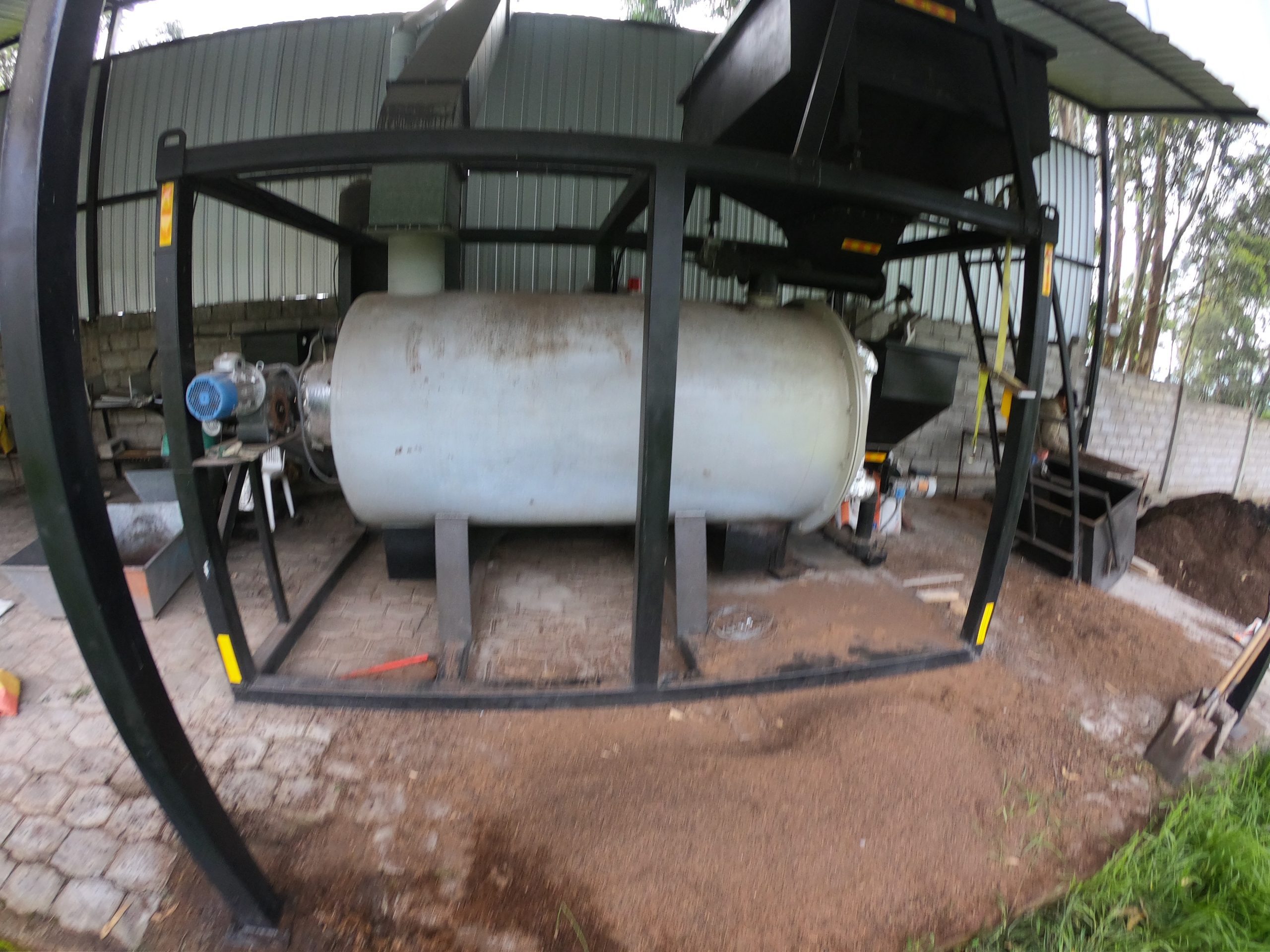
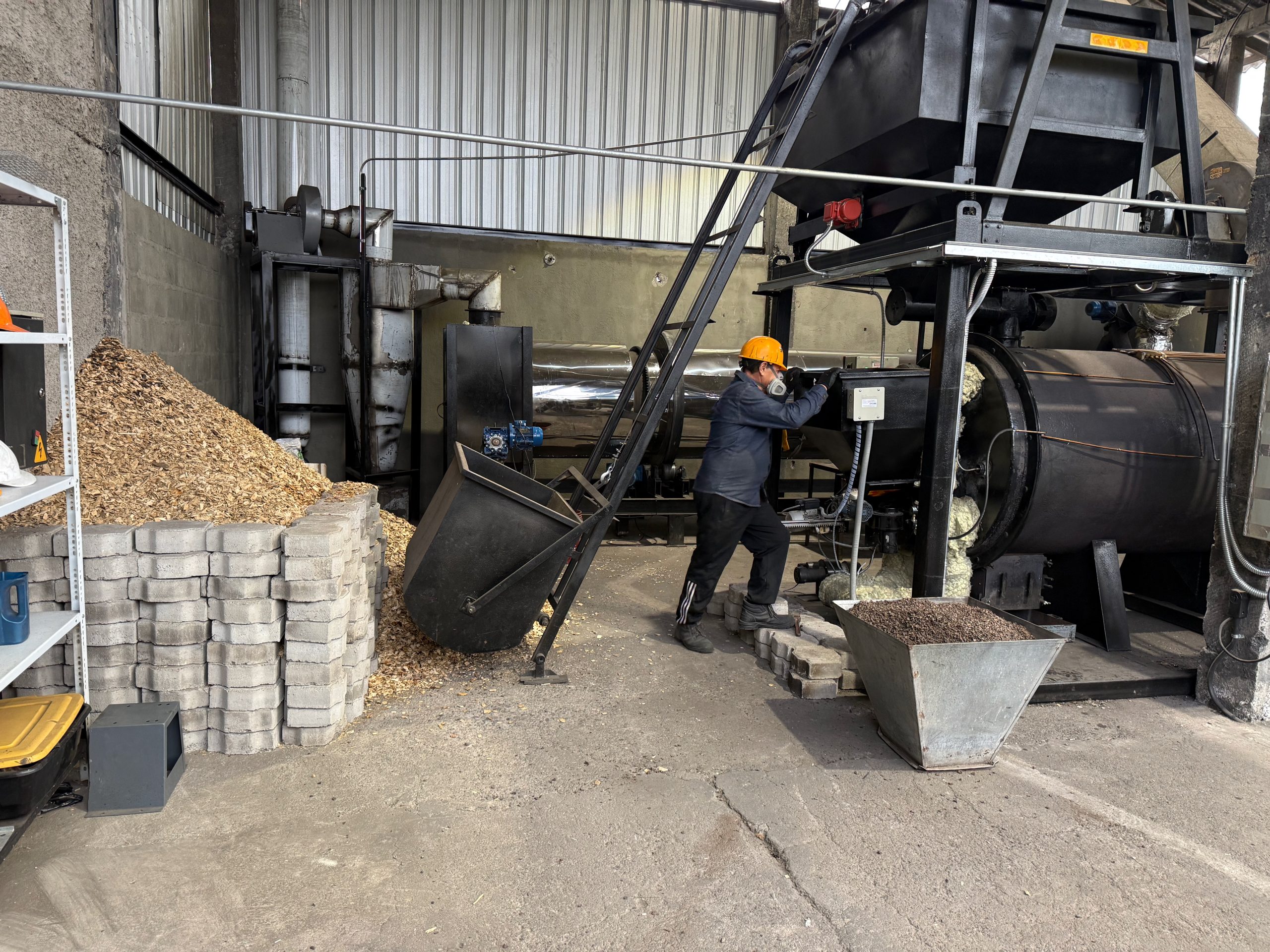
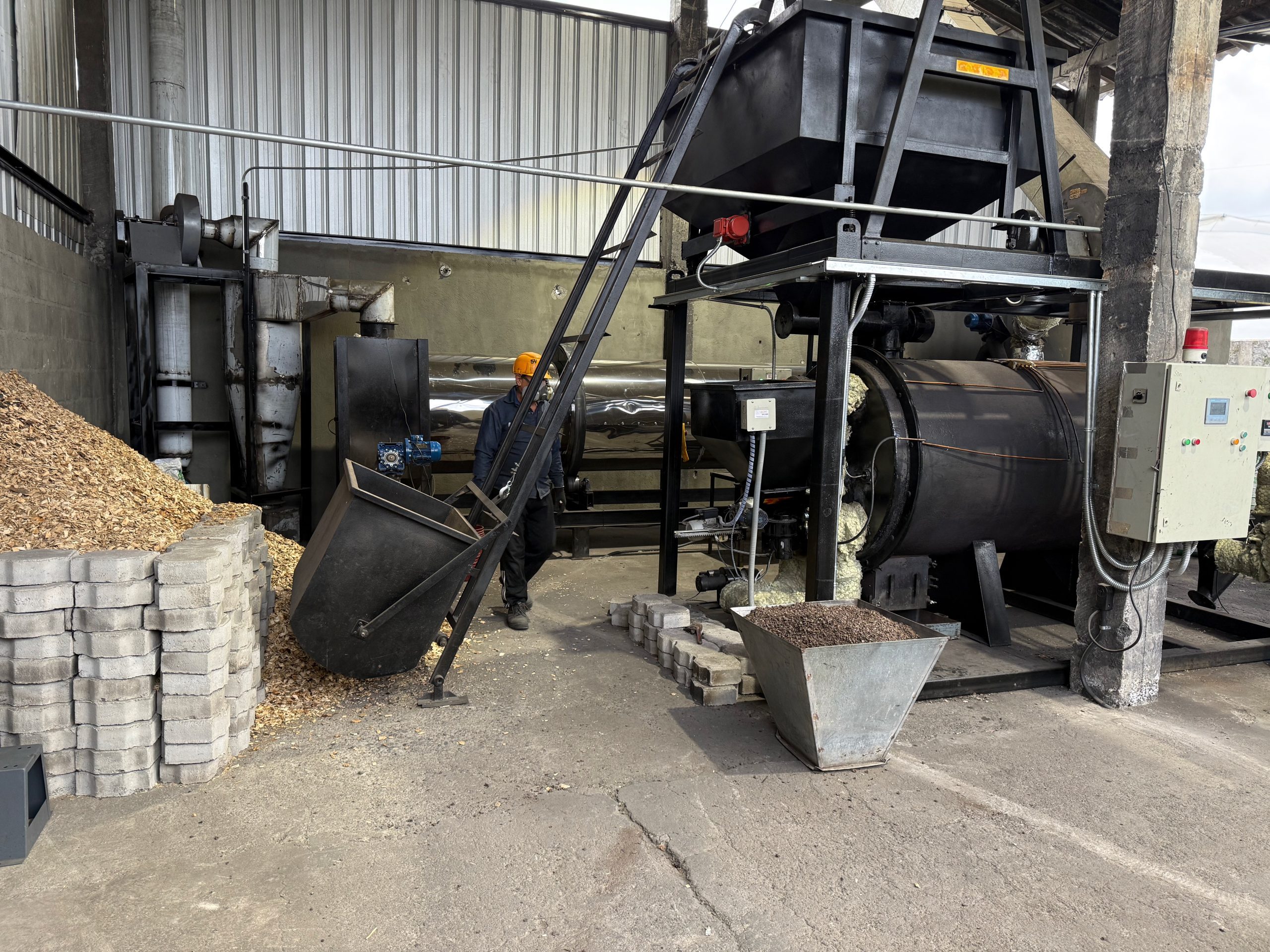
Between 2018 and 2021, six biomass burners were installed at five coffee and cocoa farmer organisations in the northern Amazon and Manabí, replacing diesel or gas burners. With biomass, mostly palm kernel shell, the hourly cost of drying fell by a factor of 5 to 8, according to a 2022 technical report written by the person who is now Nina Energy’s Chief Scientific Officer, about burners made by BDA, Nina’s predecessor company. That calculation uses diesel at 1.90 dollars per gallon and does not include labour. Since September 2025 diesel in Ecuador is no longer subsidised, and since 12 October 2026 a gallon of Premium diesel costs 3.11 dollars at the pump.
Secar cacao y café con biomasa en vez de diésel: lo que mostró un caso en Ecuador
Ecuador no tiene todavía un ecosistema de «tecnología climática» consolidado y financiado como categoría propia. Sí existe un núcleo pequeño pero real de remoción de carbono —Nina Energy y Pacchar, ambas fundadas en 2021— y un ecosistema más amplio de economía circular respaldado por la Unión Europea, con decenas de empresas ecuatorianas verificables operando bajo la Ley Orgánica de Economía Circular Inclusiva (2021).

Cocoa pod husk and coffee husk: from waste to resource
Cocoa pod husk and the husk left from threshing coffee are different residues, and each has its own point to check before putting it to use. For cocoa pod husk, in a laboratory study, much of the potassium washed out once the husk was already decomposing; and in a study in Trinidad, with a cultivar that accumulates a lot of cadmium, most of the cadmium in the fruit was in the husk. Since heavy metals stay in the biochar during pyrolysis, it is worth testing the husk for cadmium before pyrolysing it. For coffee husk, a sample from Sucumbíos had 7.1% ash on a wet basis and, burned on its own as pellets, gave carbon monoxide far above the reference limit used. The author of that report (now Nina Energy’s CSO) concludes that combustion would not be the most convenient route, and that the most appropriate would be to pyrolyse it to produce heat for drying and biochar.
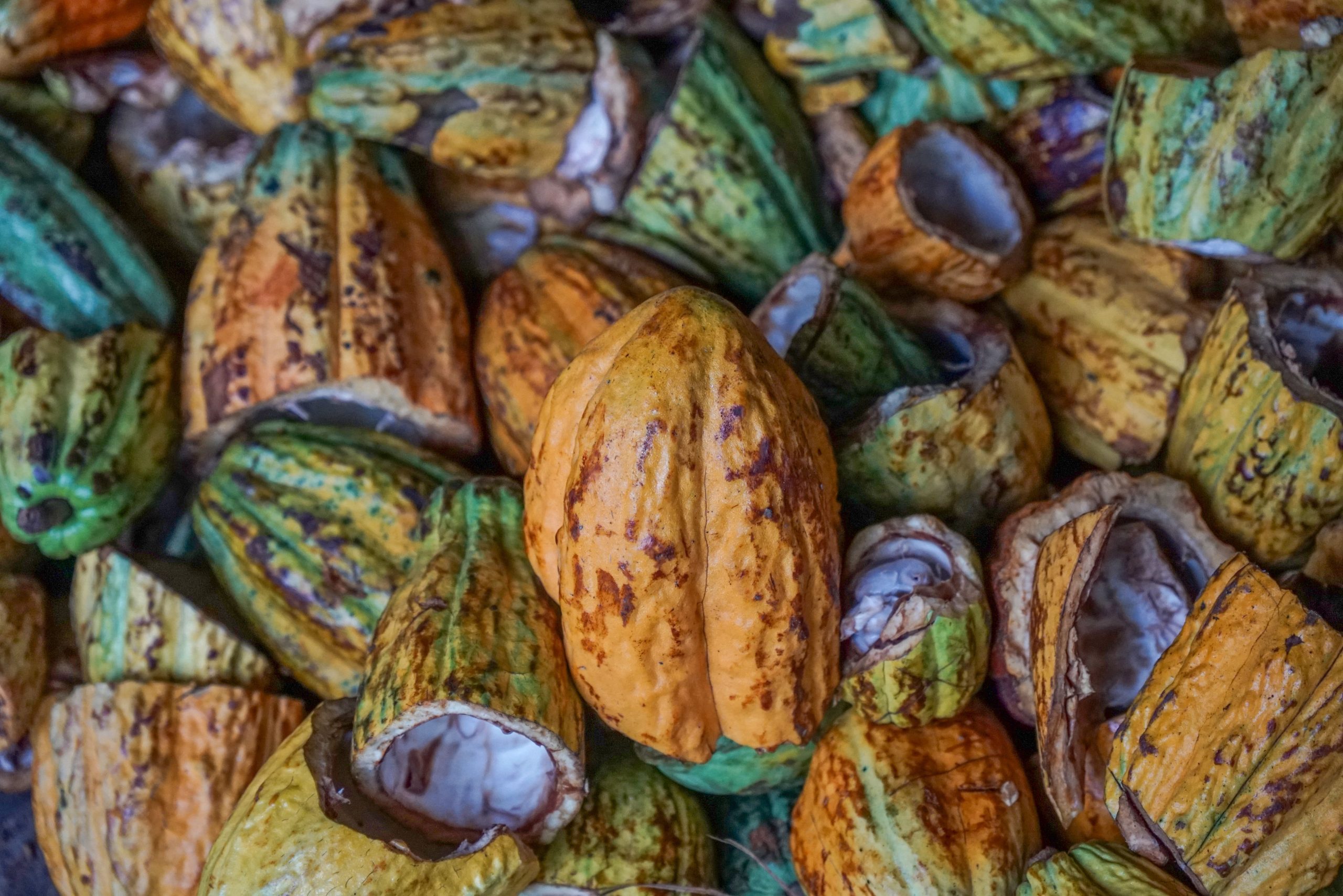
Cáscara de cacao y de café: de residuo a recurso
La cáscara de la mazorca de cacao y la cascarilla de la trilla del café son residuos distintos, y cada uno tiene su propio punto a revisar antes de aprovecharlo. En la cáscara de mazorca, en un estudio de laboratorio, se lavó buena parte del potasio cuando la cáscara ya estaba en descomposición; y en un estudio en Trinidad, con un cultivar que acumula mucho cadmio, la mayor parte del cadmio del fruto estaba en la cáscara. Como en la pirólisis los metales pesados se quedan en el biochar, conviene analizar el cadmio de la cáscara antes de pirolizarla. En la cascarilla de café, una muestra de Sucumbíos tuvo 7,1% de ceniza en base húmeda y, quemada sola en pellets, dio un monóxido de carbono muy por encima del límite de referencia usado. El autor de ese informe (hoy director científico de Nina Energy) concluye que la combustión no sería la ruta más conveniente, y que lo más apropiado sería pirolizarla para producir calor para el secado y biochar.
Oil palm empty fruit bunches: management options and what each one requires
The empty fruit bunch (EFB, called raquis in Ecuador), the bunch left at the mill once the fruit is stripped, has four possible destinations: back to the field as mulch, compost, burning for heat, or pyrolysis to make biochar. Each one requires something. In a trial in Malaysia, EFB in the field released potassium quickly, but no nitrogen release was detected in 10 months. Composting it with the mill effluent depends, according to an industrial study, on parameters such as a roof, turning, and effluent and leachate management. To burn it, plan to dry it: according to a 2008 study, freshly sterilised bunches are typically around 60% water on a wet basis. And in a laboratory study, biochar from unwashed EFB had a lot of ash; with washed EFB, much less.
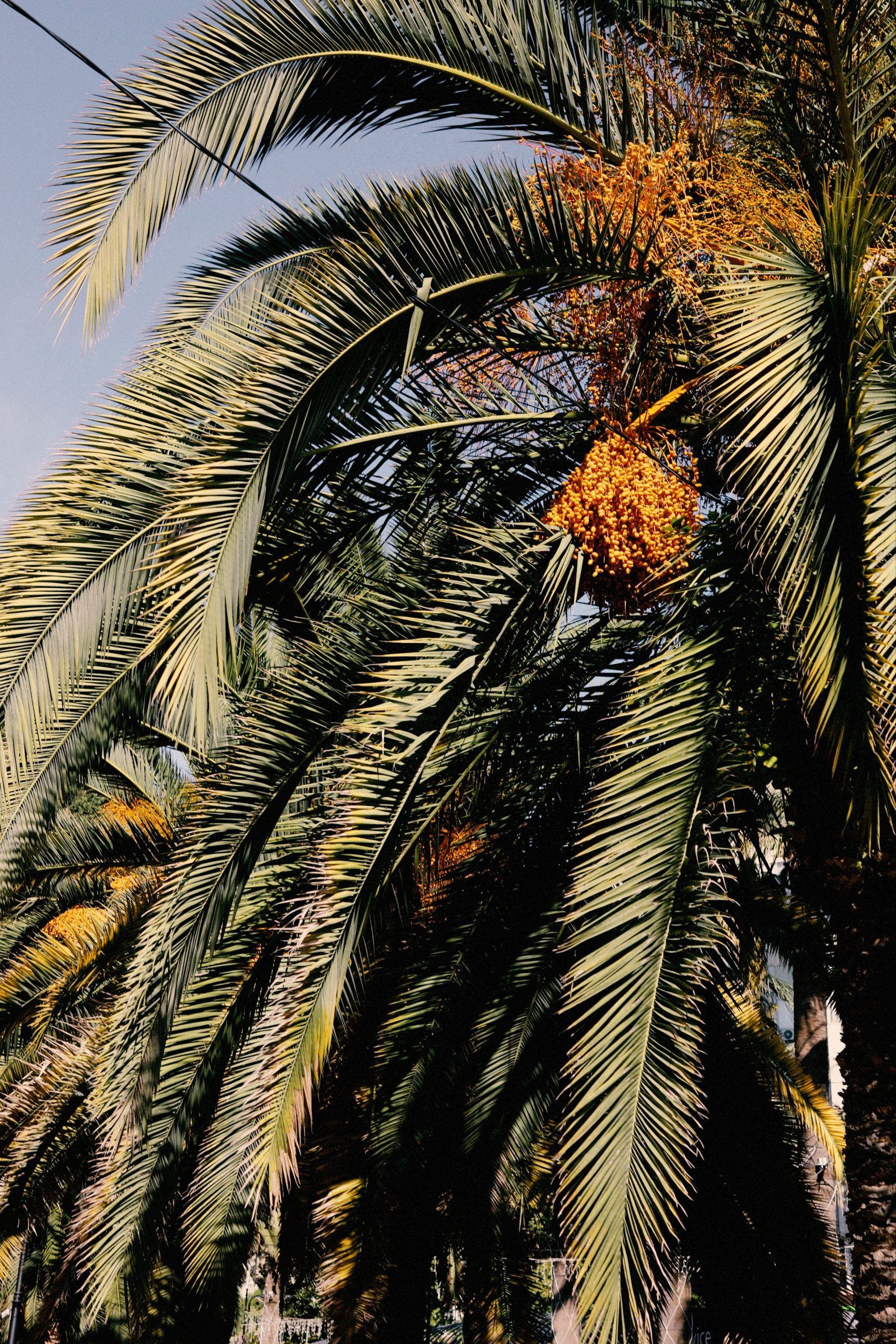
Raquis de palma: opciones de manejo y qué exige cada una
El raquis, el racimo vacío que queda en la extractora, tiene cuatro destinos posibles: devolverlo al campo como cobertura, compostarlo, quemarlo para calor o pirolizarlo para hacer biochar. Cada uno exige algo. En un ensayo en Malasia, el raquis en el campo liberó potasio rápido, pero no se detectó liberación de nitrógeno en 10 meses. Compostarlo con el efluente de la extractora depende, según un estudio industrial, de parámetros como el techo, el volteo y el manejo del efluente y del lixiviado. Para quemarlo, prevé secarlo: según un estudio de 2008, los racimos recién esterilizados tienen típicamente alrededor de 60% de agua en base húmeda. Y en un estudio de laboratorio, el biochar de raquis sin lavar tuvo mucha ceniza; con raquis lavado, bastante menos.
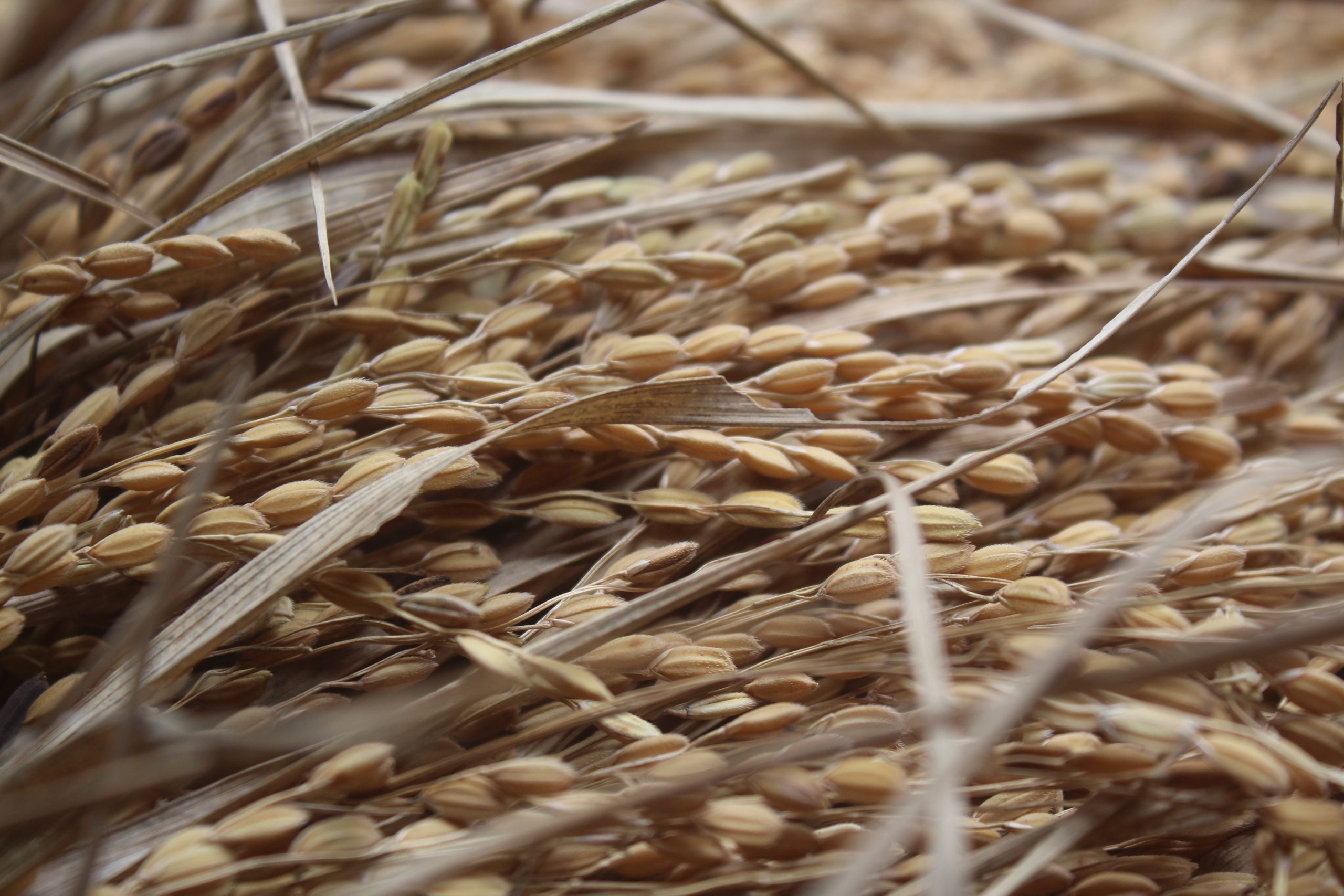
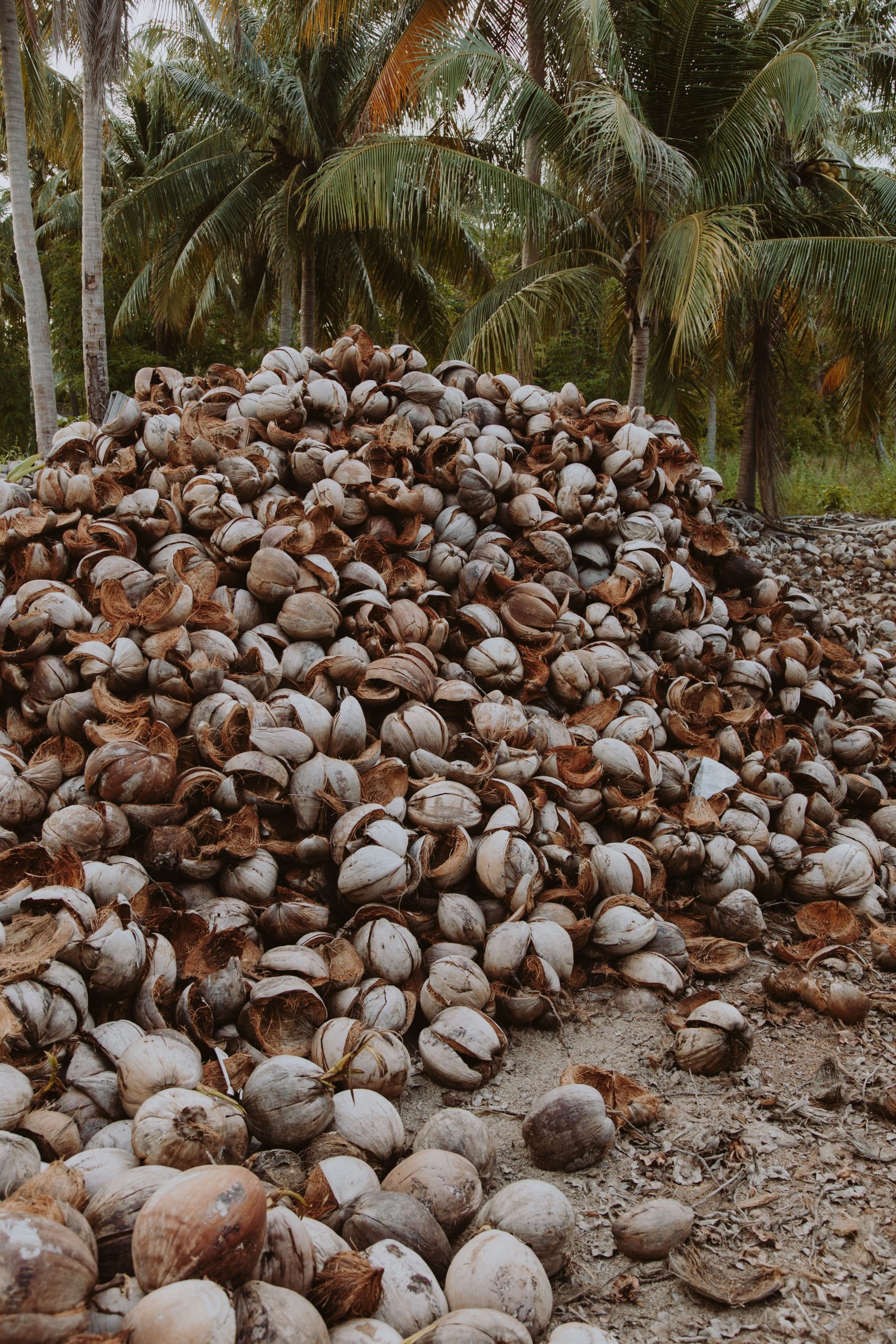
Rice husk: burn it, compost it or turn it into biochar
All three options are possible, but each one requires something different. Burning it gives heat, and leaves 15% to 25% of its dry weight as ash, almost all of it silica, which has to be handled. To compost it, plan for a nitrogen source: with one study’s figures, the husk had about 62 parts carbon for every part nitrogen (our calculation). Pyrolysing it gives biochar: in a laboratory study, that biochar had 39% to 45% total carbon and a lot of ash, less carbon than wood biochar. The decision depends on what you need: heat, compost or a product to sell.
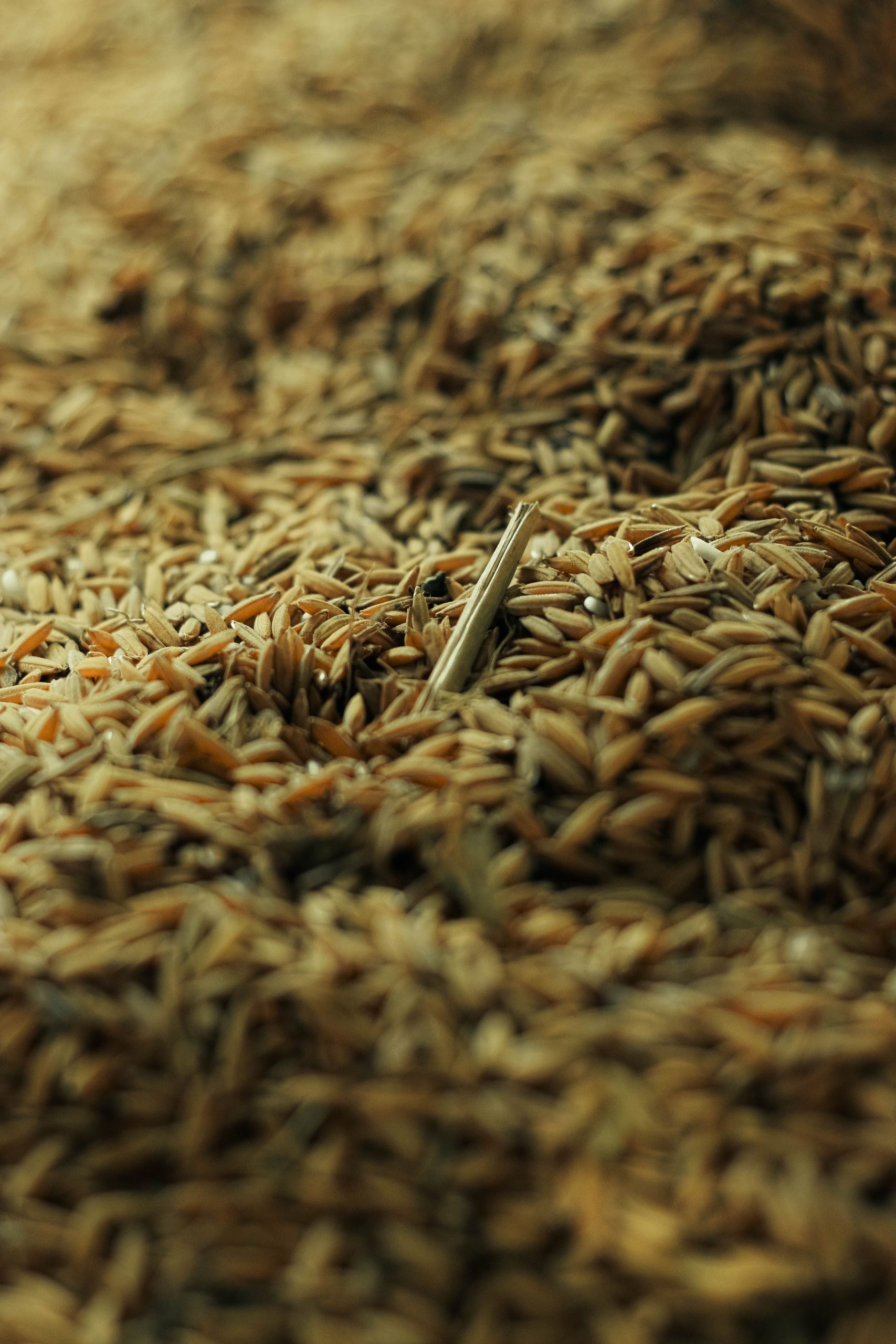
Cascarilla de arroz: quemarla, compostarla o pirolizarla
Las tres rutas son posibles, pero cada una exige algo distinto. Quemarla da calor, y deja entre 15% y 25% de su peso seco en ceniza, casi toda sílice, que hay que manejar. Para compostarla, conviene prever una fuente de nitrógeno: con las cifras de un estudio, la cascarilla tenía unas 62 partes de carbono por cada parte de nitrógeno (cálculo nuestro). Pirolizarla da biochar: en un estudio de laboratorio, ese biochar tuvo entre 39% y 45% de carbono total y mucha ceniza, menos carbono que el biochar de madera. La decisión depende de qué necesitas: calor, abono o un producto que vender.
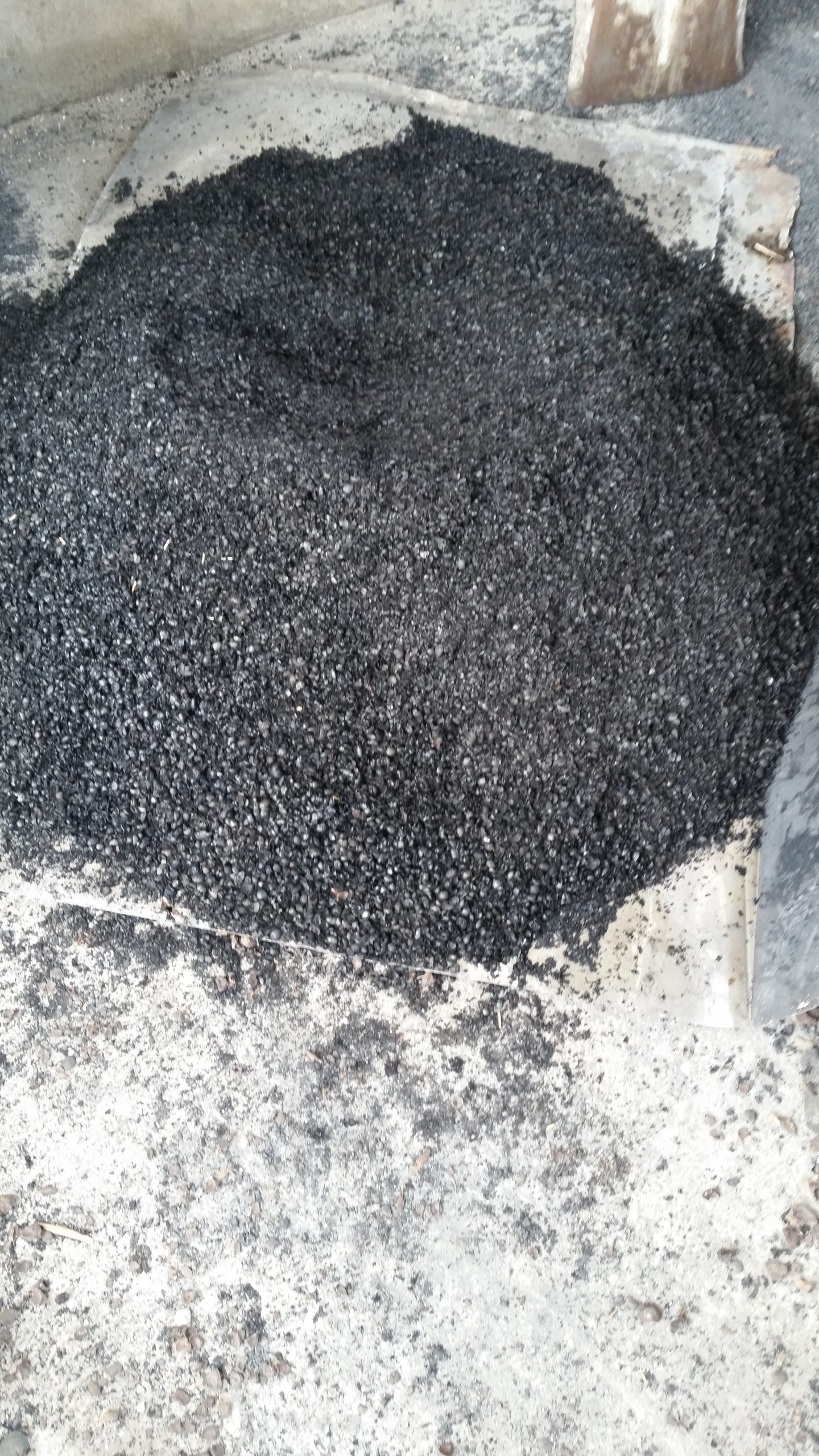
Biochar in Ecuador: what it is, what it is used for and how to tell whether it is good quality
Biochar is a porous, carbonaceous material made by heating biomass above 350 °C with little oxygen. Under the European Biochar Certificate (EBC), it is not made to be burned: it is used so that its carbon stays stored for the long term or replaces fossil carbon in industry. It is used in soil, compost, livestock farming and industry. To tell whether it is good quality, check that the class on its certificate is admissible for your use, and check the batch label and its H/Corg ratio. And if it is for farming in Ecuador, ask whether the product is registered with Agrocalidad.

Biochar en Ecuador: qué es, para qué sirve y cómo saber si es de calidad
El biochar es un material poroso y carbonoso que se obtiene al calentar biomasa por encima de 350 °C con poco oxígeno. Según el estándar europeo de biochar (EBC), no se fabrica para quemarse: se usa de forma que su carbono quede almacenado a largo plazo o reemplace carbono fósil en la industria. Sirve en el suelo, el compost, la ganadería y la industria. Para saber si es de calidad, revisa que la clase de su certificado sea admisible para tu uso, y revisa la etiqueta del lote y su relación H/Corg. Y si es para el agro en Ecuador, pregunta si el producto tiene registro de Agrocalidad.
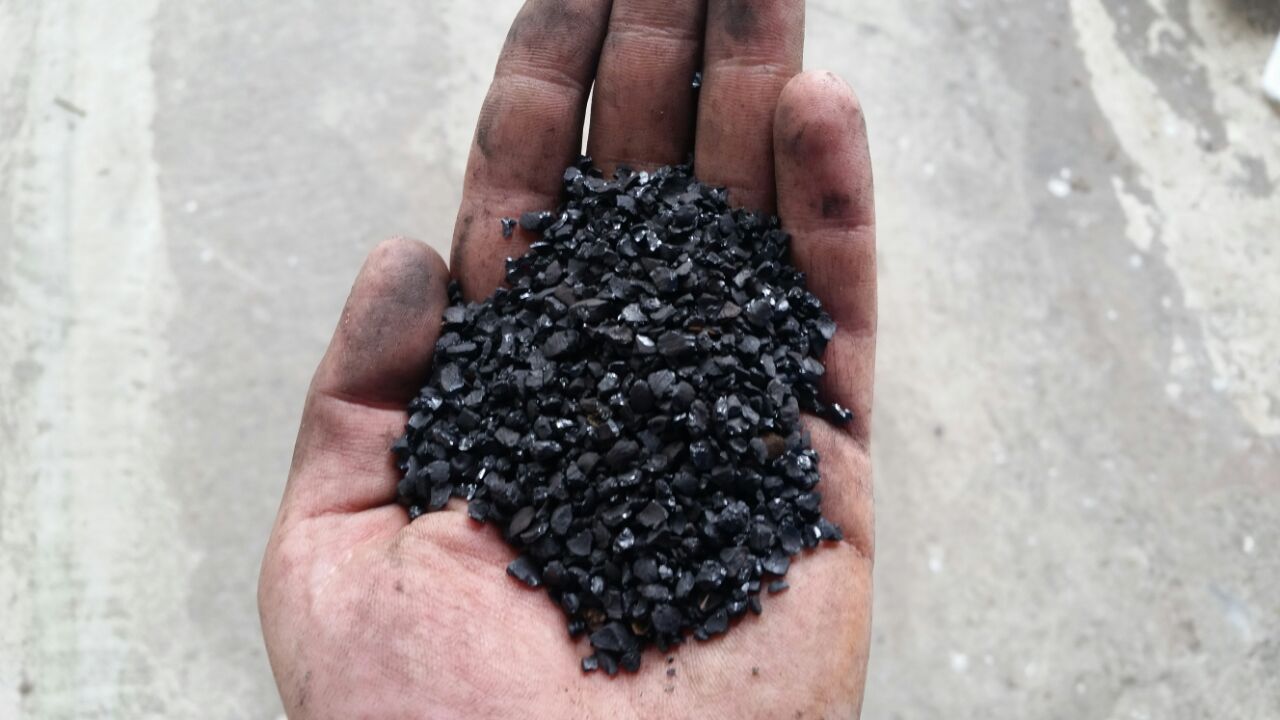
Which tests to ask for before selling or buying a building material with biochar
Before selling or buying a building material with biochar, it pays to check two things: the certification of the biochar and the tests of the material under a standard. According to the European Biochar Certificate (EBC), biochar sold as a building material must be labelled EBC-Materials or EBC-Basic. In Ecuador, the concrete block standard NTE INEN 3066, in its 2016 edition (we could not confirm whether it is still in force), requires, among others, tests of compressive strength, water absorption and dimensions. And a 2024 meta-analysis of biochar in Portland cement composites measured compressive strength but did not include flexural strength or durability.
Qué ensayos pedir antes de vender o comprar un material de construcción con biochar
Antes de vender o comprar un material de construcción con biochar conviene revisar dos cosas: la certificación del biochar y los ensayos del material bajo una norma. Según el estándar europeo de biochar (EBC), el biochar que se vende como material de construcción debe etiquetarse como EBC-Materials o EBC-Basic. En Ecuador, la norma de bloques de hormigón NTE INEN 3066, en su edición 2016 (no pudimos confirmar si sigue vigente), pide, entre otros, ensayos de resistencia a la compresión, absorción de agua y dimensiones. Y un metaanálisis de 2024 sobre biochar en compuestos de cemento Portland midió la resistencia a la compresión, pero no incluyó la flexión ni la durabilidad.
Imported equipment or built at your plant: 8 questions before you decide
A pyrolysis reactor can arrive imported or be built at the site where it will operate. Before deciding, it pays to answer eight questions: how it is classified at customs, who handles the formalities and bears the risk, where it is built, how long it takes, which parts come from abroad, who does the civil works and installation, what happens with spare parts and maintenance, and how to grow. In Ecuador, Colombia and Peru, customs can rule on the tariff classification of equipment before it is imported, under different conditions in each country.
Equipo importado o fabricado en tu planta: 8 preguntas antes de decidir
Un reactor de pirólisis puede llegar importado o fabricarse en el sitio donde va a operar. Antes de decidir conviene responder ocho preguntas: cómo se clasifica en aduana, quién se encarga de los trámites y asume el riesgo, dónde se fabrica, cuánto tarda, qué partes vienen de fuera, quién hace la obra civil y la instalación, qué pasa con los repuestos y el mantenimiento, y cómo crecer. En Ecuador, Colombia y Perú, la aduana puede pronunciarse sobre la clasificación arancelaria de un equipo antes de importarlo, con condiciones distintas en cada país.
What does a pyrolysis reactor do with the gas it produces? Syngas, flare, bio-oil and wood vinegar
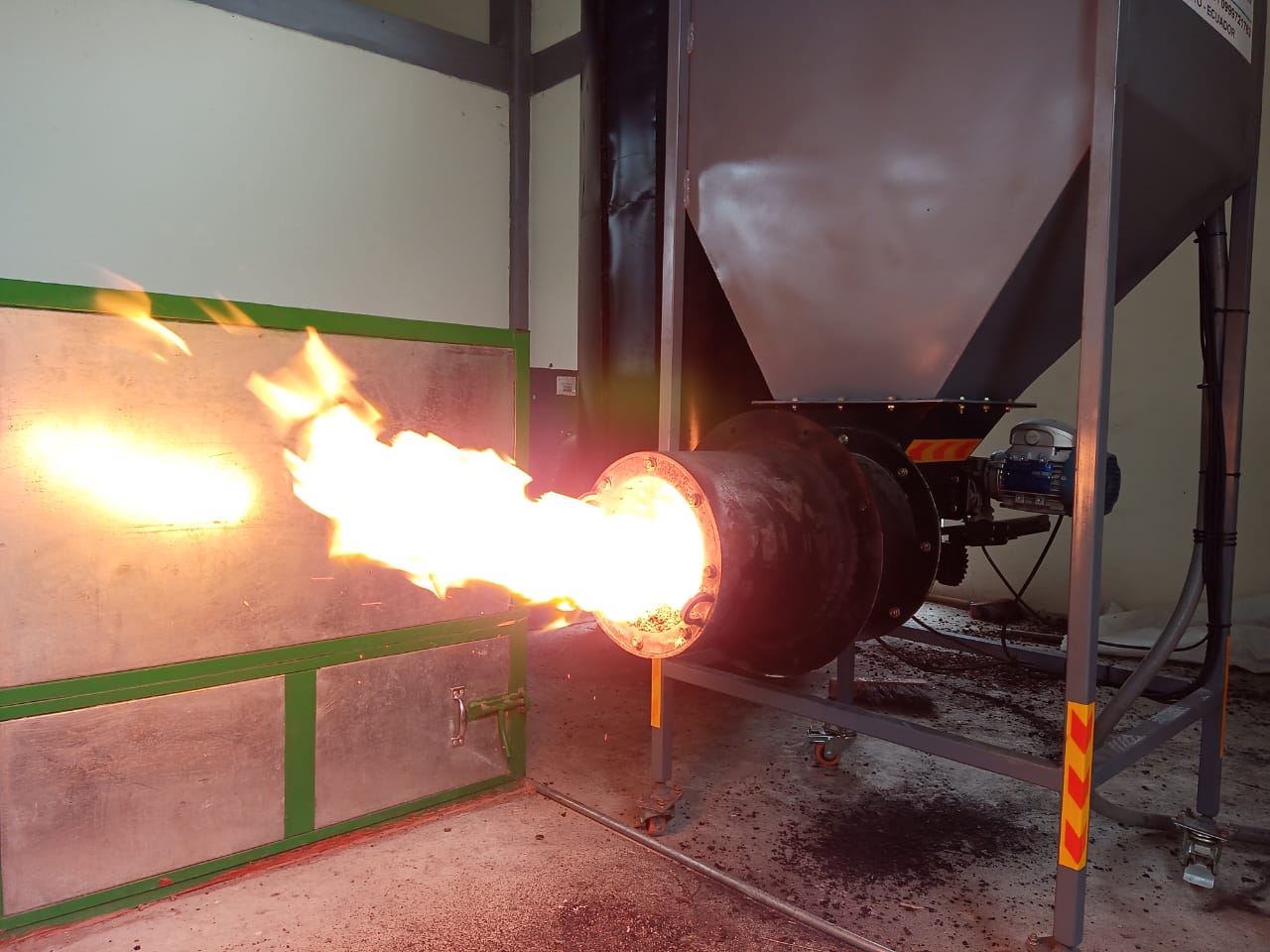
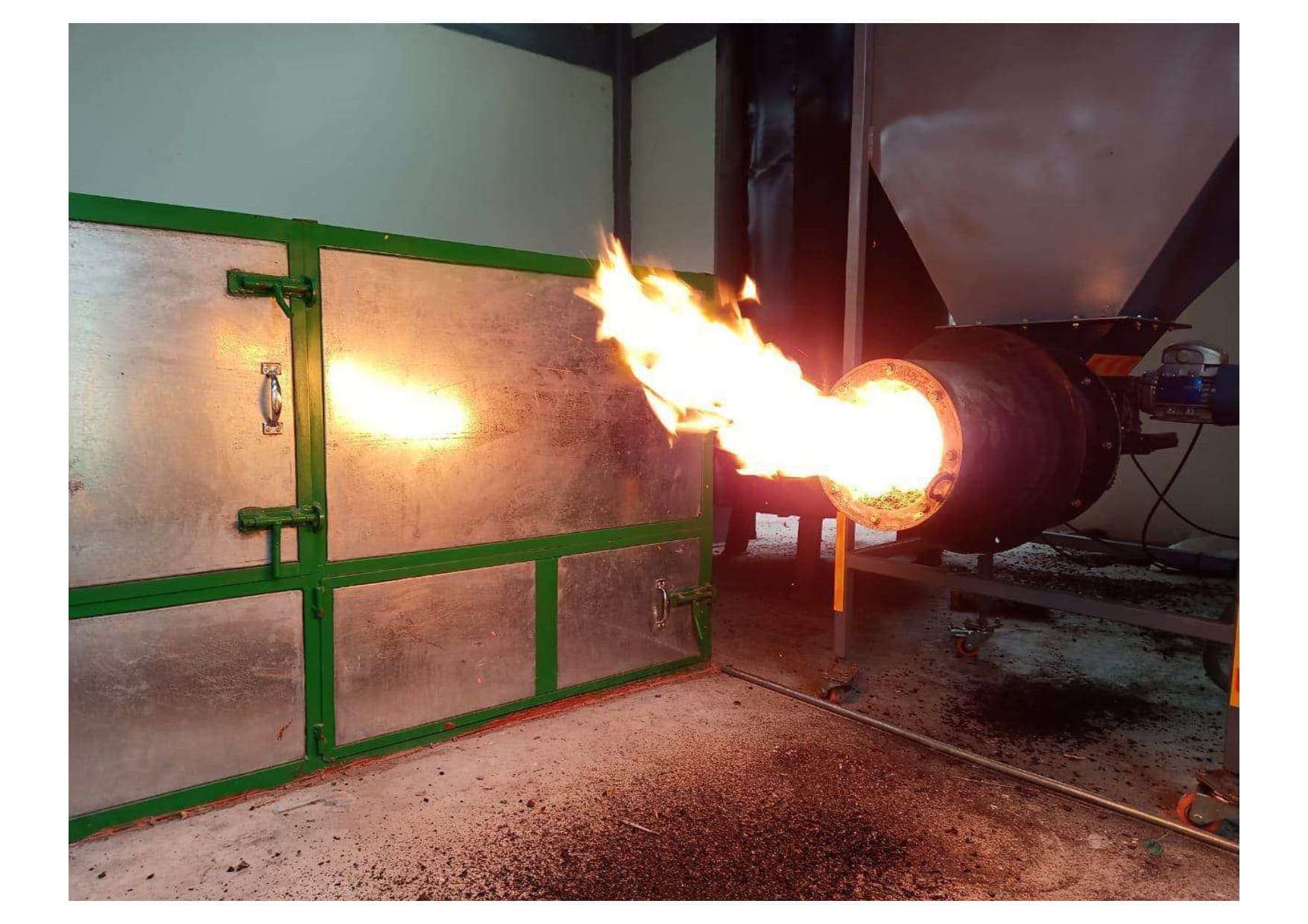
Making biochar also releases gas and vapours. The European Biochar Certificate (EBC) does not allow pyrolysis gases to be released into the atmosphere: they must be recovered or burned, and before release they must pass through a dedicated combustion chamber. According to the EBC, that gas carries approximately 35% to 60% of the energy in the biomass, and it is usually burned in the unit itself. In our reactor, the syngas is recirculated to the thermal system, and there is a flare for the excess. In our case, recovering bio-oil or wood vinegar is optional.
¿Qué hace un reactor de pirólisis con el gas que produce? Syngas, antorcha, bioaceite y vinagre de madera
Al hacer biochar también se liberan gas y vapores. El estándar europeo de biochar (EBC) no permite soltar los gases de pirólisis a la atmósfera: tienen que recuperarse o quemarse, y antes de salir deben pasar por una cámara de combustión dedicada. Según el EBC, ese gas lleva aproximadamente entre el 35% y el 60% de la energía de la biomasa, y normalmente se quema en la propia unidad. En nuestro reactor, el syngas se recircula al sistema térmico, y hay una antorcha para el exceso. En nuestro caso, recuperar bioaceite o vinagre de madera es opcional.
From first analysis to start-up: how long it takes to install a pyrolysis plant
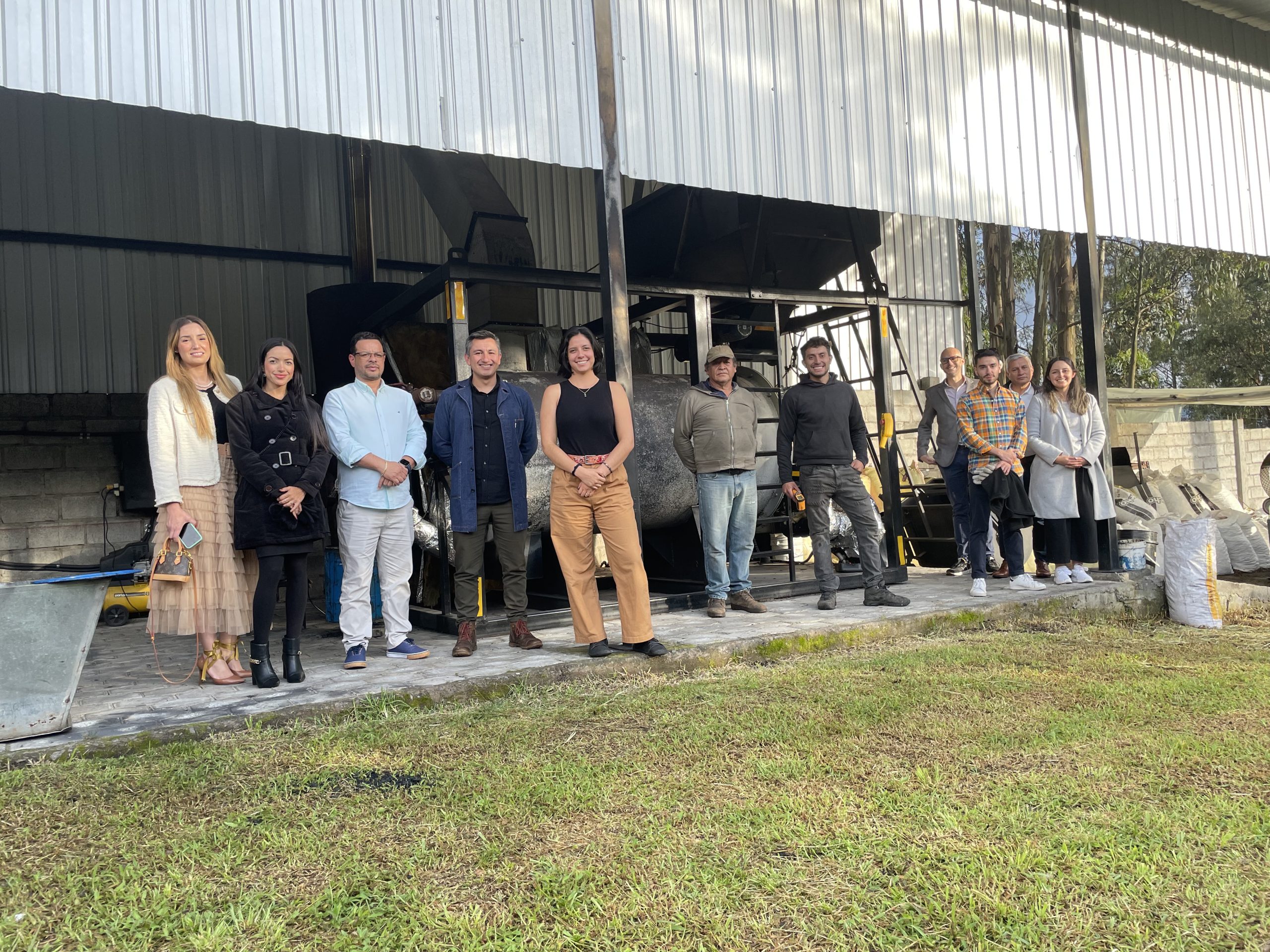
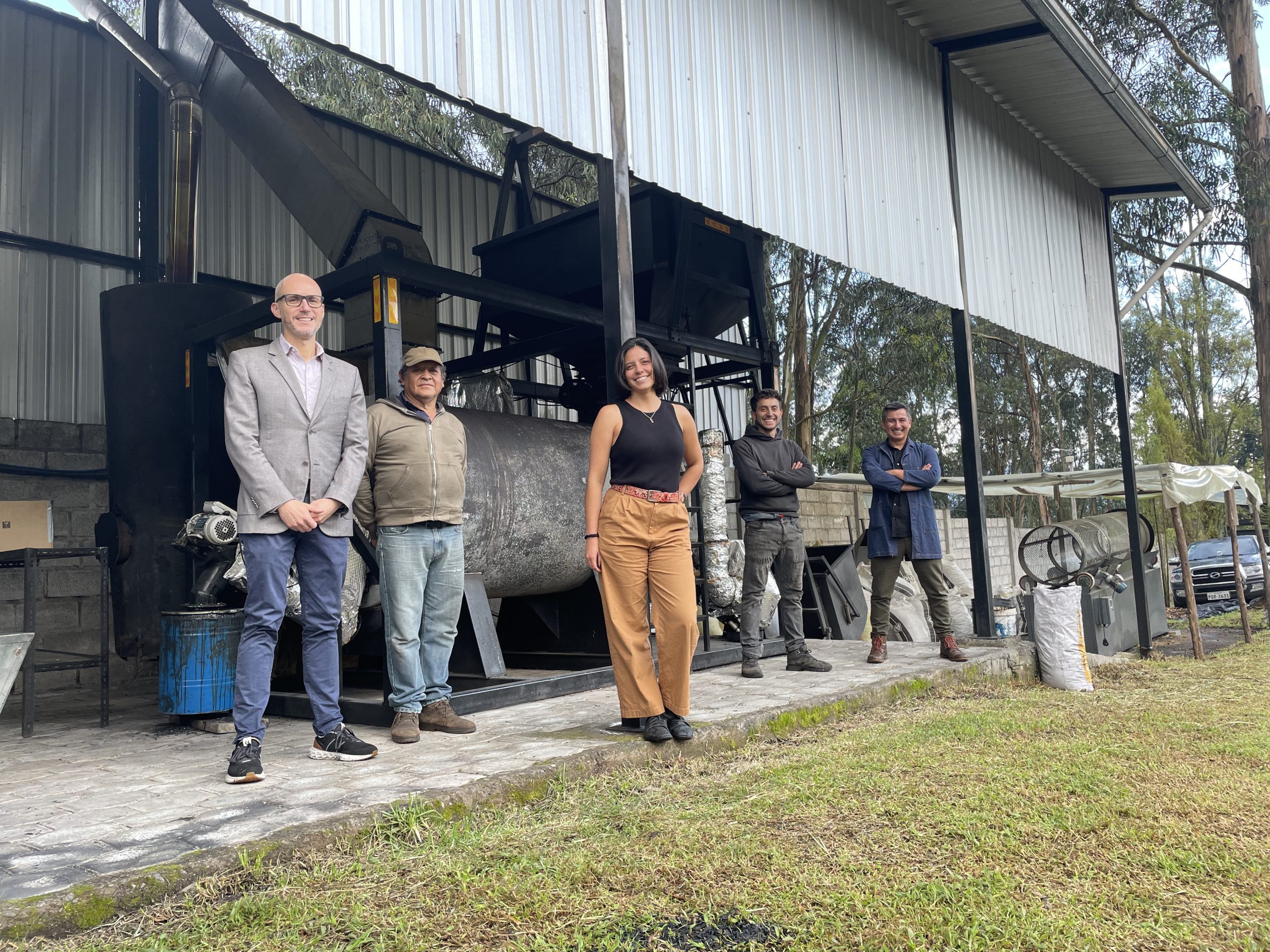
In our previous projects, fabricating one module took about 12 weeks in black steel and about 20 in A310 stainless steel. Civil works and utility connections move forward in parallel. In a previous project, installation and start-up took about 3 weeks per line, operator training included. Added up, that is about 15 weeks for a single-module line in black steel and about 23 in A310, from the start of fabrication, if the civil works are ready in time. These are references from what we have already done, not a contractual deadline.
Del primer análisis al arranque: cuánto tarda instalar una planta de pirólisis
En nuestros proyectos anteriores, fabricar un módulo tomó unas 12 semanas en acero negro y unas 20 en acero inoxidable A310. La obra civil y las acometidas avanzan en paralelo. En un proyecto anterior, la instalación y el arranque tomaron unas 3 semanas por línea, con la capacitación de los operadores incluida. Sumado, son unas 15 semanas para una línea de un módulo en acero negro y unas 23 en A310, desde que empieza la fabricación, si la obra civil está lista a tiempo. Son referencias de lo que ya hicimos, no un plazo de contrato.
Before you get a quote for a pyrolysis plant: 7 questions about your residue
Ecuador no tiene todavía un ecosistema de «tecnología climática» consolidado y financiado como categoría propia. Sí existe un núcleo pequeño pero real de remoción de carbono —Nina Energy y Pacchar, ambas fundadas en 2021— y un ecosistema más amplio de economía circular respaldado por la Unión Europea, con decenas de empresas ecuatorianas verificables operando bajo la Ley Orgánica de Economía Circular Inclusiva (2021).
Antes de cotizar una planta de pirólisis: 7 preguntas sobre tu residuo
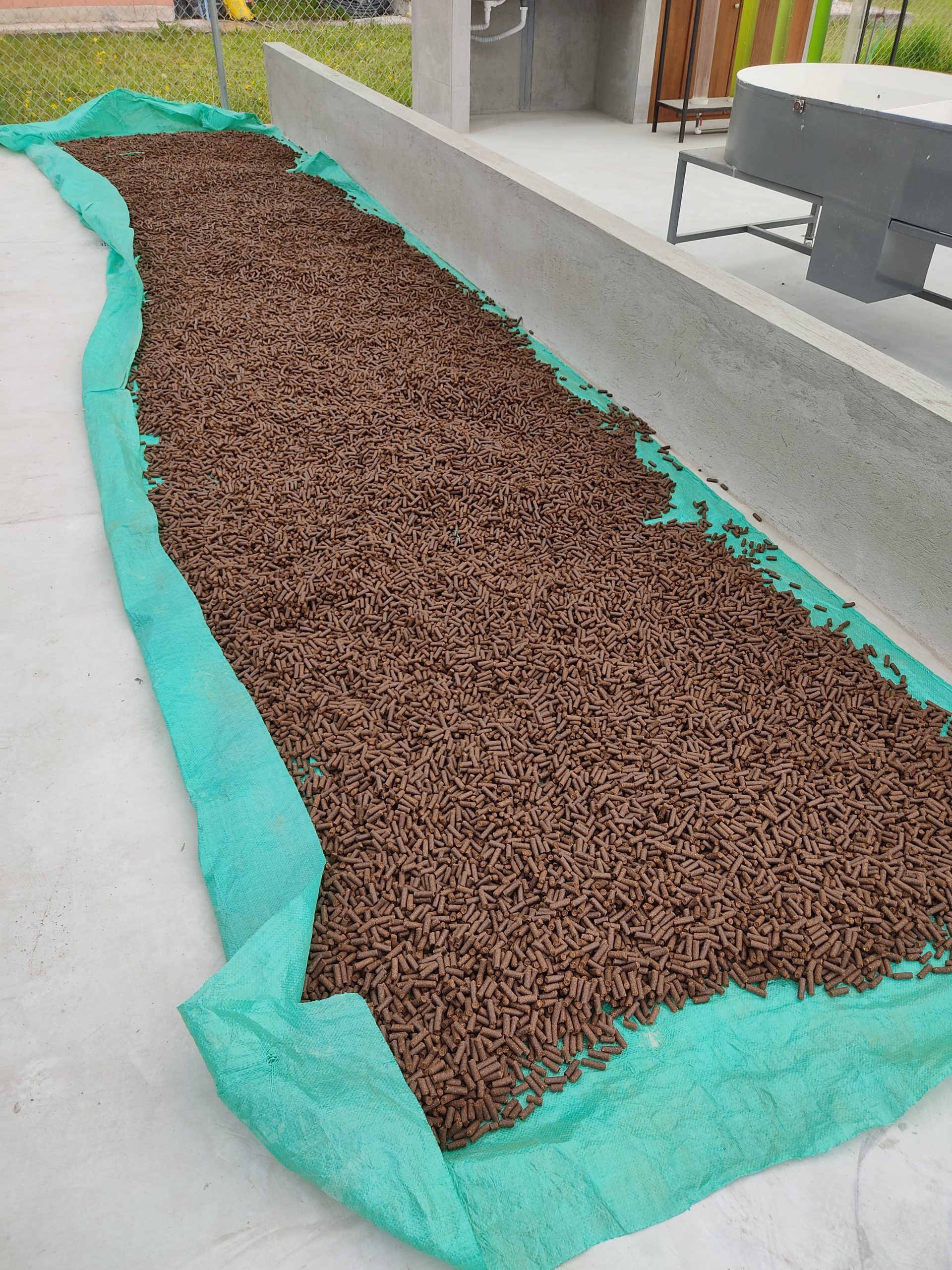
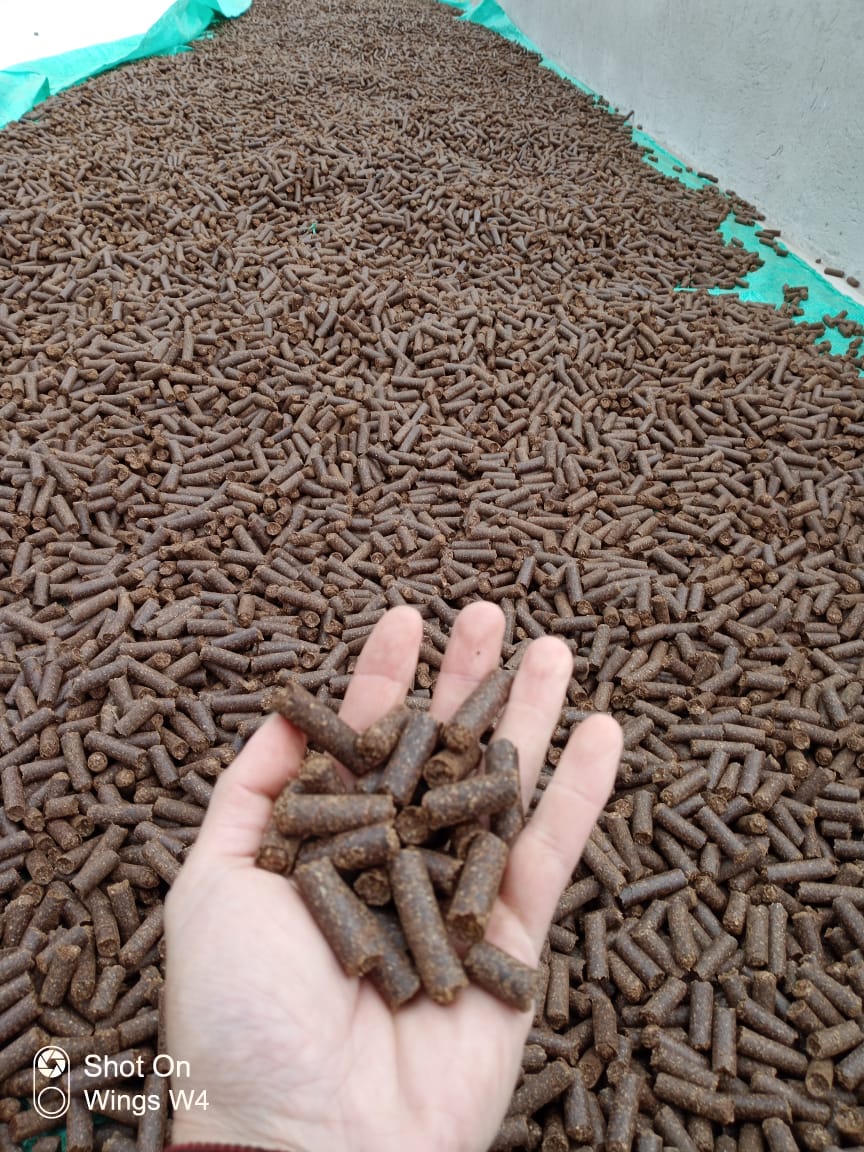
Antes de pedir el precio de una planta de pirólisis conviene responder siete preguntas sobre el residuo: qué es, qué trae además de biomasa, cuánta agua y cuánta ceniza tiene, qué forma tiene, cuánto generas y puedes demostrar, y qué quieres obtener. Las respuestas ayudan a definir qué equipo necesitas, qué certificación puede tener el biochar y si el proyecto puede generar créditos de carbono.


