
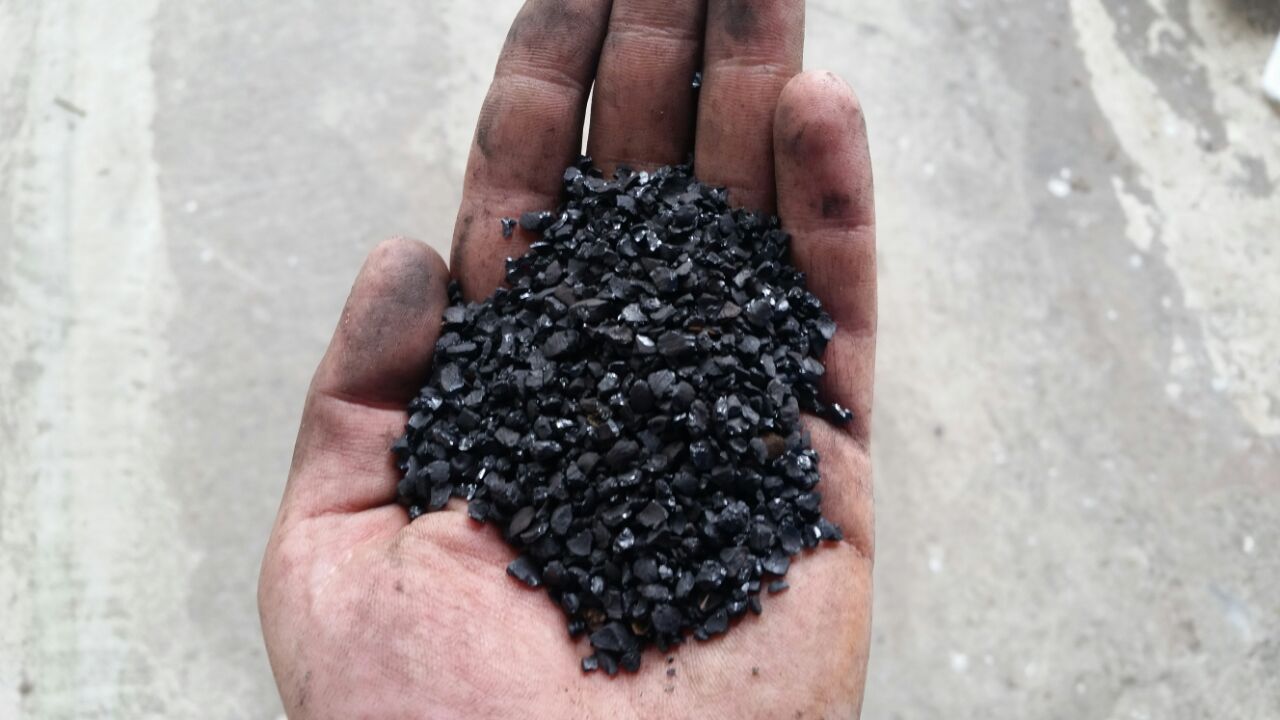
Before selling or buying a building material with biochar, it pays to check two things: the certification of the biochar and the tests of the material under a standard. According to the European Biochar Certificate (EBC), biochar sold as a building material must be labelled EBC-Materials or EBC-Basic. In Ecuador, the concrete block standard NTE INEN 3066, in its 2016 edition (we could not confirm whether it is still in force), requires, among others, tests of compressive strength, water absorption and dimensions. And a 2024 meta-analysis of biochar in Portland cement composites measured compressive strength but did not include flexural strength or durability.
Contents
Four questions before you sell or buy
1. What biochar does it contain, and with what certification?
According to the EBC, if a biochar is sold as a building material it must be labelled EBC-Materials or EBC-Basic, and neither class may be used in agriculture or other soil applications. The requirements are not the same: EBC-Materials must meet the same heavy metal limits as EBC-Agro, while EBC-Basic only requires them to be declared. The EBC also requires companies that buy certified biochar and use it to manufacture new biochar-based products to be certified.
2. Which standard is the material tested under?
In Ecuador, NTE INEN 3066 sets requirements and test methods for concrete blocks made with hydraulic cement, water and mineral aggregates, with or without admixtures. It distinguishes three classes: A, for structural masonry and also for non-structural masonry exposed to the weather; B, for non-structural masonry, which carries only its own weight and should not be exposed to the weather unless protected; and C, for slab infill. It requires tests of dimensions, water absorption, density, compressive strength on three units, drying shrinkage and, for classes A and B, fire resistance. We cite the 2016 edition; we could not confirm with INEN whether it is the one in force.
3. What does a recent meta-analysis say?
A 2024 meta-analysis of biochar in Portland cement composites found that biochar dosages below 2.5% of the binder weight improved compressive strength at 7 and 28 days, and that biochars produced above 450 °C and with small particles increased it more. That study did not include other properties, such as flexural strength and durability. That is why it pays to ask for those tests on the specific material, not just the literature.
4. And Char-Wall?
Char-Wall is a precast cement-and-biochar module for green façades, which we developed with the Pontifical Catholic University of Ecuador (PUCE). It is moulded and cured at room temperature, without a kiln. It does not yet have mechanical tests under INEN standards. If they are carried out, we will publish the results, whatever they are.
Questions for any supplier
These questions apply to any material with biochar, ours included:
· Which EBC class does the biochar in the material have?
· Which standard was the material tested under, and which edition?
· Does the material fall within the scope of that standard, or was it tested by analogy?
· How many specimens were tested, and at what age?
· Are there flexural, absorption and durability tests, or only compression?
· Who did the tests: an independent laboratory or the manufacturer itself?
Frequently asked questions
Is any biochar suitable for a building material?
According to the EBC, if the biochar is sold as a building material it must be labelled EBC-Materials or EBC-Basic. EBC-Materials must meet the heavy metal limits of EBC-Agro; EBC-Basic only requires them to be declared.
Does biochar make cement composites stronger?
In the 2024 meta-analysis we cite, on Portland cement composites, dosages below 2.5% of the binder weight improved compressive strength at 7 and 28 days. The study did not include flexural strength or durability.
Does Char-Wall already have INEN tests?
Not yet. If they are carried out, we will publish the results, whatever they are.
Conclusion
It pays to assess a building material with biochar like any other material: with tests on the specific material, under a standard, done by someone who can stand behind them. Biochar certification is only one part. Before you buy, ask for the test.
Sources and methodology
Standards:
· European Biochar Certificate (EBC), v10.5E, 14 Aug 2025: ch. 3, §7.5 and §13.2. PDF (accessed 19 Oct 2026)· Servicio Ecuatoriano de Normalización (INEN), NTE INEN 3066 "Bloques de hormigón. Requisitos y métodos de ensayo", 2016-11 edition; current status not confirmed. Copy published by a manufacturer (accessed 19 Oct 2026)
Studies:
· Zhao et al. (2024). Biochar 6:21. doi:10.1007/s42773-024-00309-2 (accessed 19 Oct 2026)
Nina Energy:
· Char-Wall article, in Spanish (7 Oct 2026), on nina.energy· Article on Char-Wall at the 4th Sustainability in Construction Award (Oct 2026), published on nina.energy.
Methodology: every statement about standards and studies comes from the source's original text, accessed 19 October 2026. This article reports no strength, absorption, durability or carbon storage figures for Char-Wall or for Nina Energy's biochar.


